



On the first day of October, Relationships Australia NSW launched Connection Is Protection for Mental Health Month. Our national research found one in six Australians felt lonely often or very often in the past month. That’s well over three million adults. One in four told us that feeling lonely, or having no one to reach out to, had itself made it harder to connect.
We set out to make the case that relationships belong alongside sleep, diet and exercise as part of how we stay well. The month that followed made that case for us, in ways none of us would have chosen.
Early in the month, the domestic violence charges laid against Sam Wood, which his lawyer says will be defended, put the spotlight back on the harm that can happen behind closed doors.
Public life turned uglier. In mid-October, an MP said two federal ministers should be “shamed and stoned in the square”, and one of them, Anne Aly, later said she had received 19 death threats in a single week. Then independent MP Dr Helen Haines was struck by a car outside her electorate office in Wangaratta, receiving devastating injuries.
Also this month, the Australian Federal Police told a parliamentary committee that children as young as 11 are being radicalised online, in a process that once took months or years and can now happen “within days”. Officials described a “growing grievance generation” of young people searching for purpose and belonging.
Isolation. Division. Rancour. That’s what this month has shown us we’re up against, and as a psychologist I know they rarely travel alone. When people feel disconnected, they’re more likely to see others as a threat. When public life turns cruel, people pull back from it. And the further we retreat, the lonelier we become.
“When people feel disconnected, they’re more likely to see others as a threat. When public life turns cruel, people pull back from it. And the further we retreat, the lonelier we become.”
There’s a line many of us reach for at times like these. The American children’s television host Fred Rogers recalled his mother’s advice whenever he saw frightening things on the news: “Look for the helpers. You will always find people who are helping.”
They were there this month too, if you looked. In Brisbane, a seven-year-old organised a kindness treasure hunt so 250 children could deliver thank-you gifts to police, firefighters and hospital staff. The not-for-profit Kindness Factory is rallying Australians to help it reach 10 million logged acts of kindness by World Kindness Day on 13 November. And after Dr Haines was hurt, candlelight vigils were held across the country and more than $1m was raised for Save the Children in her honour.
Fred Rogers’ mother was comforting a child watching from a distance. So here is the question I’d like to close Mental Health Month with: what if the helpers are us?
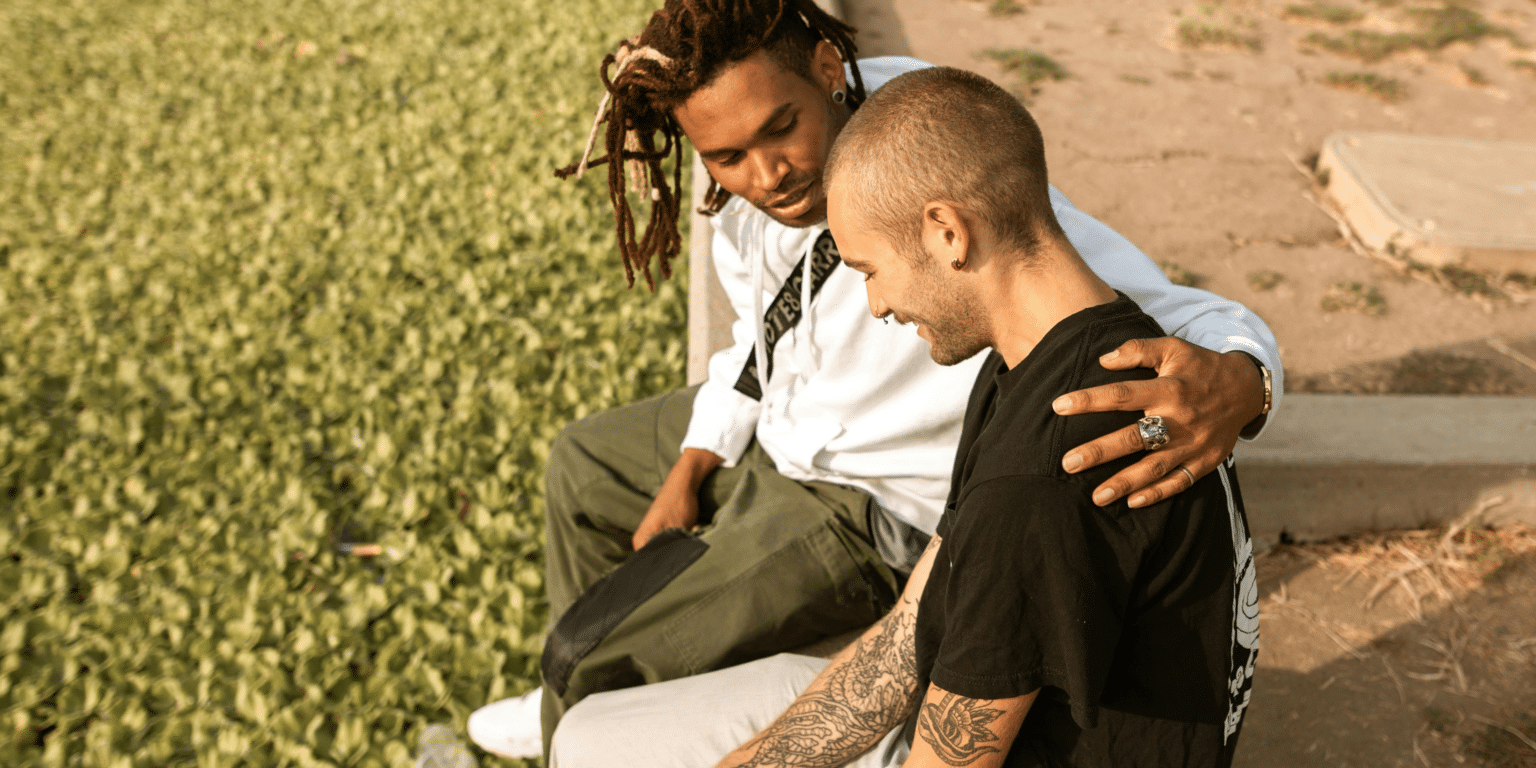
Our research suggests they already are. When relationship stress starts to affect their mental health, most Australians turn first to a partner, a family member or a friend, well ahead of a counsellor or GP.
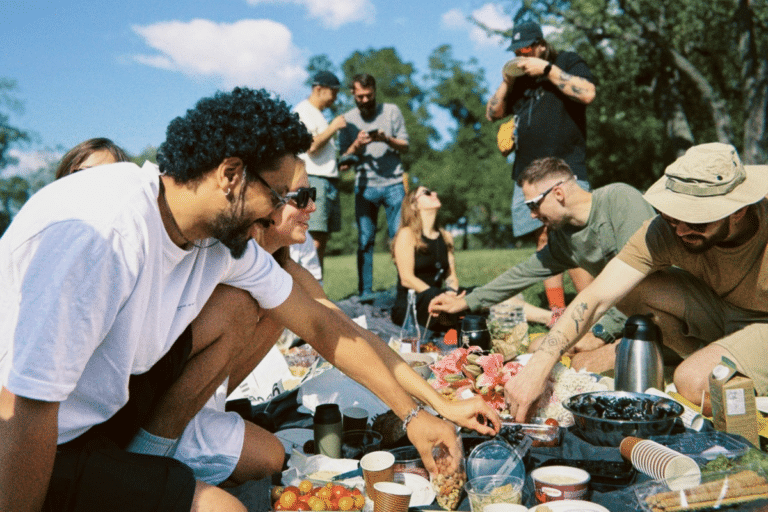
The people who took part in our survey described their helpers in their own words. One respondent whose husband died unexpectedly found the community in their residential high rise “marvellous”, offering care, a sense of belonging and “someone there for a chat”. A retiree found new purpose cooking for international students and introducing them to Australian culture.
Another wrote about their neighbour: “He has been a great comfort to me and makes me feel less alone. Most weekends during the AFL season we watch the footy together and talk about the world’s problems.”
These moments rarely make the news, and they matter enormously. Most of the time, helping is the text to a friend who’s gone quiet, the neighbour you finally invite in, the hard conversation had early, before resentment sets in. It’s the disagreement had without contempt. And sometimes it means being brave enough to ask for help yourself.
That’s where we have the most room to grow. Just one in three Australians were taught how to handle a difficult conversation growing up, and only 9 per cent seek help when a relationship first begins to feel strained. Seeking help doesn’t mean a relationship has failed. Sometimes it means deciding it’s worth looking after.
“Seeking help doesn’t mean a relationship has failed. Sometimes it means deciding it’s worth looking after.”
Mental Health Month ended this week. The need for connection doesn’t. So before November arrives, take one small step towards someone. Make the call. Take the walk. Set up the coffee. Say the thing you’ve been putting off. If a relationship is feeling the strain, reach out for support early. And if you or someone you love isn’t safe at home, specialist help is there.
October gave isolation, division and rancour a big month. Let’s give connection a bigger one. Look for the helpers. Then be one.
Elisabeth Shaw is a clinical psychologist and CEO of Relationships Australia NSW. If this article has raised concerns for you, support is available. Lifeline: 13 11 14. 1800RESPECT: 1800 737 732. Relationships Australia: 1300 364 277.
 Српски језик
 English (UK)
 العربية
 简体中文
 香港中文
 Ελληνικά
 Italiano
 한국어
 ਪੰਜਾਬੀ
 ไทย
 Tiếng Việt
 Фејсбук
 Твиттер
 Линкедин
 Емаил