





Bạn có thể có bạn bè, gia đình và một lịch trình dày đặc các kế hoạch, nhưng vẫn cảm thấy như không ai thực sự biết bạn đang sống thế nào. Cảm giác đó có thể nói cho chúng ta điều gì về sự kết nối mà chúng ta cần?
When we picture loneliness, we might imagine someone living alone or going for days without speaking to another person. Those experiences can involve loneliness, but they don’t tell the whole story.
Sometimes, loneliness sits alongside a busy working week, an active group chat or a relationship that looks happy from the outside. We can spend plenty of time with other people and still feel misunderstood, disconnected or unsure who we could turn to.
In the second episode of our podcast, Chúng ta ổn chứ?, we explore why a full life can still feel lonely, the pressures that make connection harder, and what might help us find our way towards each other.
“I don’t think anybody could honestly say they have never felt lonely,” journalist Ros Thomas tells us.
Recognising that loneliness is – ironically – a shared experience can be a starting point for talking about something we often keep to ourselves.
Nghe ngay:
Being alone and feeling lonely are different experiences
Some of us enjoy spending time alone. An afternoon to ourselves can offer space to rest, think or do something we love. At other times, we might be surrounded by people and feel that something important is missing.
Clinical psychologist, loneliness researcher and CEO of Ending Loneliness Together, Michelle Lim explains that loneliness is about how we experience our relationships.
“Loneliness is a feeling of distress that comes up for you when you feel your relationships do not meet your current social needs,” she says.
Social isolation describes how much contact we have with other people. Loneliness is more personal: whether the connection available to us feels like the connection we need.
“You can be around many people but still feel like you have no one to turn to or to talk to, or perhaps people misunderstand you,” Michelle explains.
That distinction gives us a more useful question to ask ourselves. Alongside thinking about how often we see people, we can consider whether we feel heard, understood and able to be ourselves when we’re together.
When catching up leaves little room for sharing life
Keeping in touch can take considerable effort. We exchange messages, compare calendars and eventually find a date to catch up. By the time we meet, there can be weeks or months of news to cover.
Mental health advocate Milly Rose Bannister, founder and CEO of youth mental health charity ALLKND, describes the feeling of belonging to a “catch-up generation”.
“We catch up, but we kind of just talk about what’s happened over the past month,” she says. “And then we do it again the next month, but we’re not really making new memories.”
There’s nothing wrong with a catch-up. For friendships stretched across distance or demanding schedules, those conversations can be fulfilling. But Milly’s observation raises a question about whether we also have opportunities to share ordinary parts of life.
She describes joining someone on a trip to the shops, walking a dog together or spending an evening doing household tasks in the same room.
“I think it’s the little things that actually bring us closer together,” she says.
These moments can make spending time together easier to fit into our lives. We don’t have to have interesting news, organise an occasion or spend money. We can simply enjoy someone’s company while getting through the day.
The pressures making connection harder are real
When relationships become difficult to maintain, it’s easy to assume we should be trying harder.
But tiredness, financial strain, work and caring responsibilities all affect the time and energy we have available. In our research with YouGov, 42% of Australians said feeling too tired or low in energy got in the way of maintaining their relationships. For 37%, feeling down or anxious was a barrier.
That can create a difficult loop. We may need support most when we have the least energy to seek it.
Milly also points to the importance of places where people can spend time together without arranging every interaction in advance. Libraries, youth and community centres, local cafés and sports clubs can give us opportunities to cross paths repeatedly.
When those opportunities become less accessible, or we spend less time in them, connection can require more deliberate effort.
“A lot of the time loneliness is framed as an individual issue or an individual failure,” Milly says.
Recognising the circumstances around loneliness can help us respond with more understanding, both towards ourselves and towards others.
How loneliness can make connection feel harder
Feeling lonely can affect how we interpret other people’s behaviour, making reaching out feel more difficult.
Human connection specialist Simone Heng describes this as the “lonely brain”, drawing on research by neuroscientist John Cacioppo and colleagues.
“The lonely brain makes us hypervigilant to social threat,” she explains.
We might become more alert to signs of rejection or read an ambiguous interaction as evidence that someone doesn’t care. A delayed reply or an invitation that doesn’t arrive can feel particularly painful when we’re already disconnected.
Simone recognises these patterns in herself, too, including sometimes holding friends to a higher standard than is necessary.
Understanding this can give us a little room to pause before deciding what someone else’s behaviour means. It can also help us respond with patience when someone we care about seems more sensitive or withdrawn than usual.
Why “just join a group” doesn’t work for everyone
Joining a local activity might help some people feel more connected. For others, that advice can overlook the very things making connection difficult.
Someone managing a chronic illness might struggle to leave home. An activity might be too expensive or difficult to reach. A person who has experienced abuse may need time and support to feel safe around others.
Michelle encourages us to take these differences seriously.
“We need to think a little bit more sensibly and respectfully about people’s social circumstances,” she says.
Social prescribing is an approach that connects people with community activities and support alongside their healthcare. It offers one possible pathway, but Michelle stresses that there is no single solution that will suit everyone.
If someone tells us they’re lonely, we can begin by listening. Asking what they miss, what feels difficult and what kind of company they would welcome may be more helpful than immediately suggesting something they should do.
Small acknowledgements can help people feel seen
While close relationships matter, everyday encounters can also contribute to our sense of belonging.
During her exploration of loneliness, Ros came to appreciate the significance of acknowledging the people around her. Saying good morning on a walk or making eye contact can communicate something simple: we notice that another person is there.
“The way back to social connection is to feel like you’re part of the fabric of a community,” she says. “And the way to do that is acknowledge each other.”
These gestures don’t replace close relationships or the support someone may need. But they can make our shared spaces feel more welcoming.
Social psychologist Hugh Mackay encourages people who feel connected themselves to consider who might appreciate an invitation or a conversation.
That might mean introducing ourselves to a neighbour, including someone in an everyday activity or checking in with a person we haven’t heard from recently.
We don’t need to know everything about someone’s circumstances to offer a moment of warmth.
Making connection part of an ordinary week
It can be difficult to maintain relationships if every interaction requires finding a free evening or planning something special.
Milly suggests looking for ways to make connection a more regular part of our routines: walking the same route, visiting the same dog park or getting to know the person who makes our coffee.
“Routine creates community,” she says.
ALLKND’s Cause Club takes a related approach by bringing young people together through volunteering. Doing something meaningful alongside others creates opportunities to meet without making friendship the sole focus.
Within our existing relationships, we might consider a regular walk, a short phone call or an open invitation to come along on an errand. Small, manageable arrangements can give us more chances to share life as it happens.
Listening to what loneliness might be telling us
Feeling lonely sometimes doesn’t mean we’ve failed at relationships. Our needs can change, and the connections that once felt sufficient may need attention as our lives shift.
Michelle describes loneliness as a signal to do something different about our relationships.
We might want more time with a particular friend, a conversation that goes beyond exchanging updates, or support to navigate something that has left us feeling distant from others.
Persistent loneliness can be harder to shift, and seeking professional support may be a helpful step. We offer counselling for individuals, couples and families, including support with relationship difficulties and concerns affecting wellbeing.
We don’t have to solve everything at once. Noticing what we need, telling someone how we’re feeling or making room for a small shared moment can be a place to begin.
Finding connection in a full life
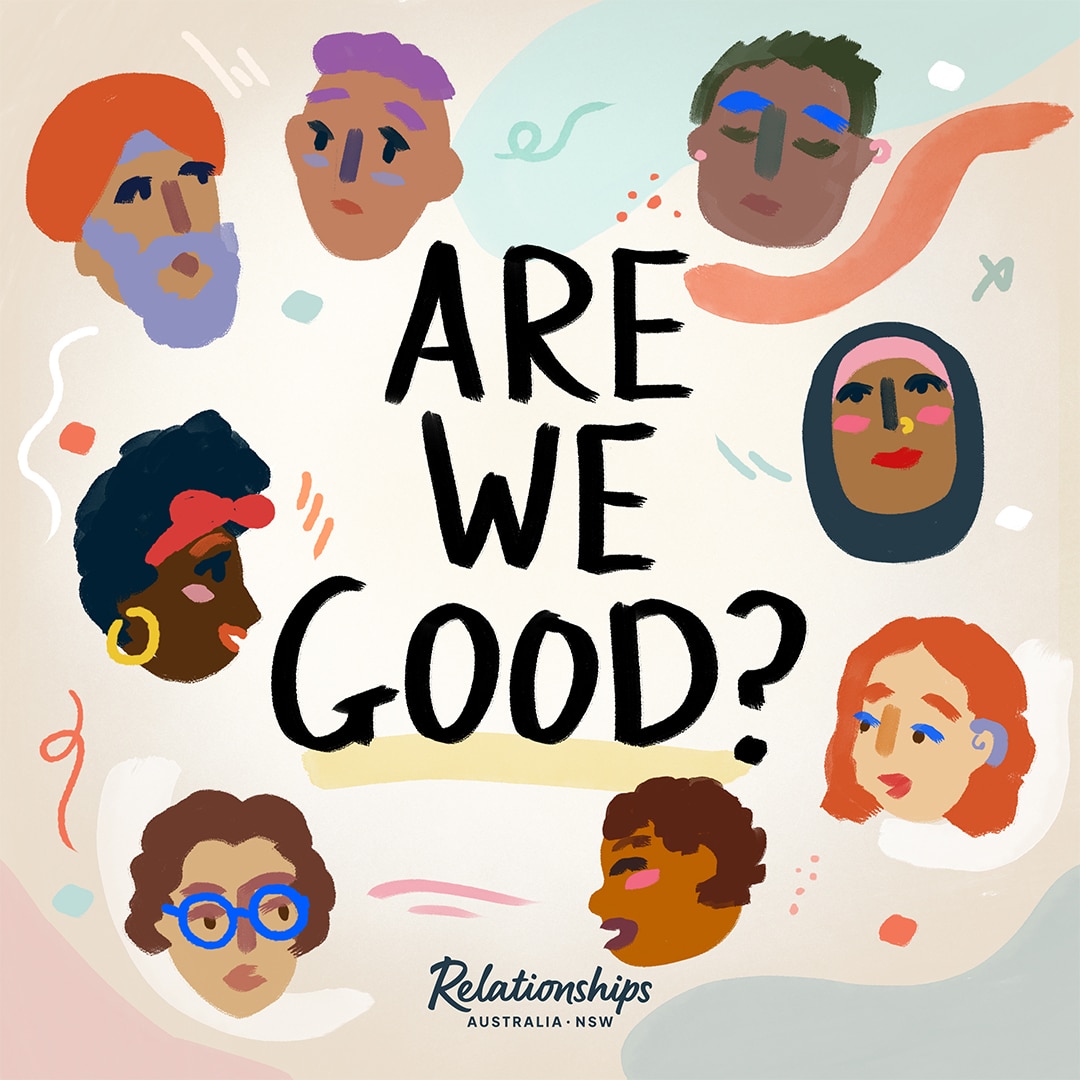
These are some of the ideas we explore in “Lonely in a Full Life”, the second episode of Chúng ta ổn chứ?, our podcast about the relationships that shape our lives.
Episode 2 of Are We Good? is out now. Find us wherever you get your podcasts.



 Tiếng Việt
 English (UK)
 العربية
 简体中文
 香港中文
 Ελληνικά
 Italiano
 한국어
 ਪੰਜਾਬੀ
 Српски језик
 ไทย
 Facebook
 Twitter
 liên kết
 E-mail