






停止關注新聞是個好主意嗎?

通過關係澳大利亞

作者:
伊麗莎白·肖
If you’ve found yourself avoiding the news lately, you’re not alone. A 2025 report from the Reuters Institute for the Study of Journalism found that around four in 10 people actively avoid the news at least some of the time, with people under 35 especially likely to switch off.

Many people are feeling emotionally saturated by the constant stream of distressing headlines and commentary, according to Elisabeth Shaw, CEO of Relationships Australia NSW.

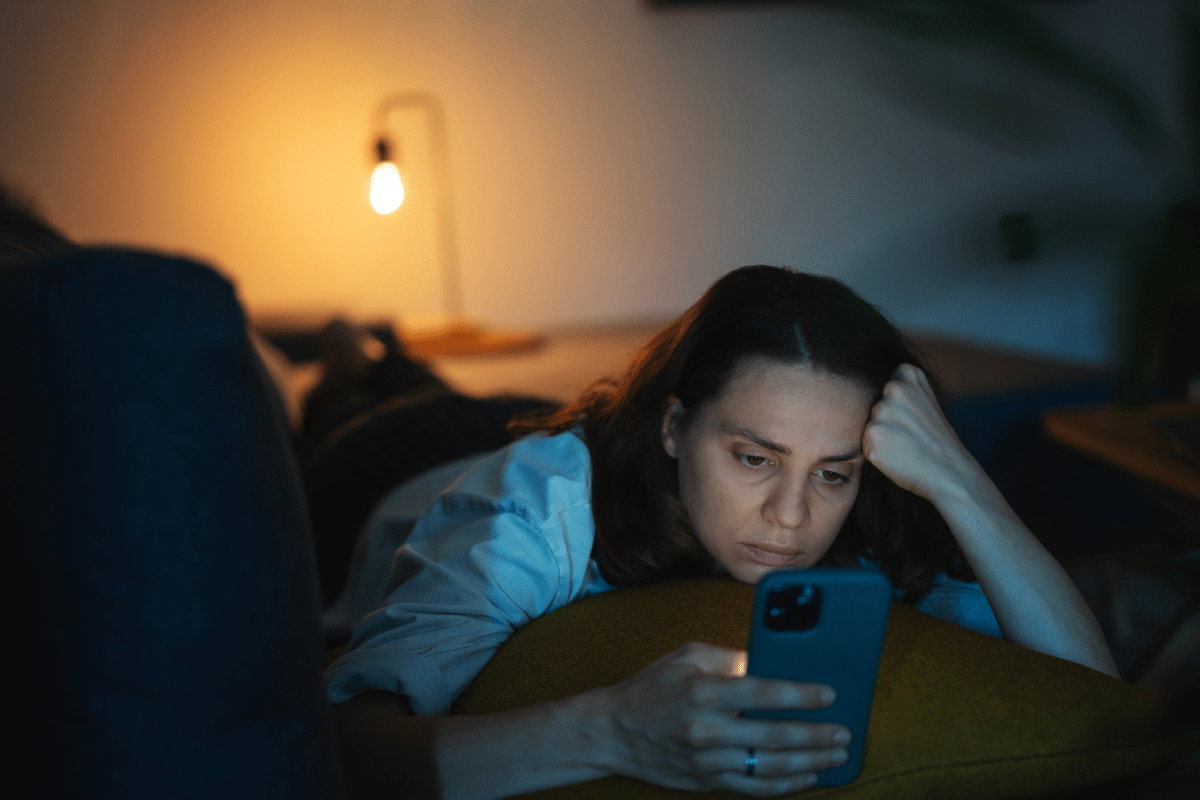
“People can start to feel emotionally overloaded,” Elisabeth says. “Even when events aren’t directly affecting us personally, repeated exposure to fear, conflict, instability and uncertainty can leave us feeling anxious, hopeless or emotionally exhausted.”

Concerns about misinformation and distrust in media are also shaping how people engage with current events. Many people are asking themselves whether staying connected is helping them to more overwhelmed than informed.

Why the news can feel so overwhelming

There’s a reason many people feel mentally drained after consuming too much news.

Repeated exposure to distressing or emotionally charged content can contribute to:

  • increased anxiety and hypervigilance
  • feelings of hopelessness or helplessness
  • cognitive overload and mental fatigue
  • compassion fatigue from repeated exposure to suffering and tragedy
  • heightened worries about finances, housing, safety, or the future.

根據 researchers from The University of Queensland, studies have consistently found that people who consume large amounts of distressing news tend to report higher levels of anxiety, stress, low mood, and emotional exhaustion. One review of dozens of studies found this was especially true during major crises and disasters.

“At the moment, many people are already carrying a significant mental load from cost-of-living pressures, housing insecurity, parenting stress and uncertainty about the future,” Elisabeth explains. “When you layer constant negative news on top of that, it can tip people into feeling helpless or emotionally depleted.”

Even when we aren’t directly impacted by a world event, we can still absorb the emotional stress of those around us. Conversations with friends, family members and colleagues often begin with “Did you see what happened?” Social media feeds can quickly become saturated with commentary, outrage, fear and debate.

Many people also turn to humour, satire, memes and comedic commentary to make difficult topics feel more manageable.

“It might feel like humour is helping lighten the emotional load – and sometimes it does,” Elisabeth says. “But satire and memes can also keep us immersed in the same distressing material for hours at a time.”

Why some people avoid the news

People disconnect from the news for many different reasons.

For some, it’s a deliberate form of self-protection. Busy parents, carers, and people already under significant stress may simply not have the emotional bandwidth to absorb more difficult information. Others feel disillusioned or powerless, questioning whether staying informed actually changes anything.

Some research has also suggested that people who are more insulated from the direct impacts of political or economic instability can sometimes be more likely to disengage completely.

Researchers generally identify three common types of news avoidance.

Situational avoidance

This involves skipping particular topics or stories that feel too distressing or emotionally triggering. These people often value content warnings and make conscious decisions about what they engage with.

Consistent avoidance

This is a more deliberate choice to disconnect from news entirely for a period of time, or on an ongoing basis.

Selective exposure

Some people prefer to stay lightly informed through headlines, summaries, podcasts, or bite-sized content, without deeply engaging with every story.

Is avoiding the news healthy?

Reducing exposure to distressing content can absolutely provide short-term relief.

Many people notice they feel calmer, less anxious, and more emotionally regulated when they spend less time reading or watching upsetting news or scrolling social media.

“There can be real mental health benefits in recognising your limits and protecting your emotional wellbeing,” Elisabeth says.

But switching off entirely can sometimes create other challenges too. Some people feel guilty for disengaging because they strongly value being socially aware, politically informed, or engaged with the world around them.

Elisabeth says many people associate being informed with being responsible.

“Some people worry that stepping back means they’re not caring enough, or not being a ‘good citizen’,” she says. “But there’s a difference between being informed and being emotionally flooded.”

Others may feel disconnected from conversations with friends, family or colleagues, or uncomfortable not knowing what’s happening in the world.

Finding a healthier balance with news and social media

Like many things, balance matters. Being informed doesn’t necessarily require constant exposure to breaking news, endless commentary, or doomscrolling late into the night.

If the news has been affecting your mental health, it can help to approach media consumption with more intention and compassion.

Create boundaries around news consumption

Rather than checking updates throughout the entire day, try choosing specific times to engage with news content. Some people also benefit from taking one day a week away from devices and social media altogether.

Choose trusted and reliable sources

Finding journalists, commentators or publications that feel balanced, thoughtful and evidence-based can reduce the emotional intensity that comes from sensationalised reporting.

Reduce exposure to outrage-driven content

Algorithms often amplify emotionally charged or extreme material because it attracts attention. Even funny or satirical content can leave people feeling emotionally drained over time.

Tune into your emotional state

Notice how you feel before and after consuming news or social media.

“Part of emotional wellbeing is recognising your own capacity,” Elisabeth says. “There will be days when you have the bandwidth to engage with difficult issues, and days when you need to protect your mental space a little more carefully.”

Back yourself in your decisions

Not everyone will understand your choice to reduce your media consumption. Some people may challenge it or see it as disengagement. But protecting your mental wellbeing is a valid and important decision.

Seek support if low mood persists

If feelings of anxiety, hopelessness, or overwhelm continue for a long time, it may help to speak with a professional. A neutral and supportive space can help you process what you’re feeling and develop strategies that work for you.

Staying connected without becoming overwhelmed

Many people are trying to navigate how to remain engaged with the world while also protecting themselves from constant emotional overload. That balance will look different for everyone.

Elisabeth says the goal isn’t necessarily to avoid the world altogether, but to find a healthier and more sustainable relationship with information. Try to recognise when your relationship with news and social media may be affecting your wellbeing more than helping it.

“You don’t need to absorb every headline, every opinion or every crisis in real time to still care deeply about the world around you,” she says.

If you need support, we offer 個人、伴侶和家庭諮詢服務. Whether you’re feeling overwhelmed, emotionally exhausted, anxious, or simply finding it hard to switch off, you don’t have to navigate it alone.

聯繫我們

加入我們的時事通訊

接收最新消息和內容。

支持你的關係幸福

從我們的知識中心發現最新信息。

Is Switching Off From the News a Good Idea?

文章.個人.育兒

停止關注新聞是個好主意嗎?

如果你最近發現自己在刻意迴避新聞,你並不孤單。路透社新聞研究所2025年的報告發現,大約十分之四的人至少在某些時候會主動迴避新聞,其中35歲以下的人尤其容易對新聞視而不見。.

How to Talk About Pleasure and Sex Without Shame

文章.個人.性+性

如何坦然談論愉悅與性愛

了解為什麼孩子出生後親密關係往往會發生變化,以及夫妻如何在為人父母的過渡期重新建立情感和性方面的聯繫。.

How Money Stress Can Affect Relationships – And What Helps

文章.情侶.工作+金錢

金錢壓力如何影響人際關係——以及哪些方法可以緩解這種情況

對許多澳洲人來說,金錢問題如今令人難以忽視。無論是不斷上漲的房租、沉重的房貸壓力、食品雜貨帳單、托兒費用,還是僅僅為了維持日常開支,經濟壓力已經成為許多夫婦和家庭日常生活的一部分。.

加入我們的時事通訊
跳到內容