
Zofia’s Story: Rebuilding Confidence as a Mum After Surviving Abuse

By Relationships Australia

Zofia*, a 36-year-old single mother, was trying to rebuild her life after separating from an abusive partner.

Her former partner had been manipulating and controlling, causing her to question her own judgement. Decisions she once made confidently and without hesitation were no longer that simple – she felt like she couldn’t trust herself and her choices.

As she navigated this new life, she struggled to manage her own wellbeing while caring for her nine-year-old daughter.

Before reaching out to Relationships Australia NSW, Zofia described feeling isolated and alone in her experiences, which only compounded the issues. Not knowing that other people were in similar, unfortunate circumstances, she felt like she was failing as a parent.

Seeking support, Zofia enrolled in our Parenting After Separation program, which provides specialised support to women who have experienced domestic and family violence. Through the sessions, Zofia learned:

  • techniques to balance her daughter’s emotional needs alongside her own
  • strategies to recognise and respond to her ex-partner’s controlling behaviours
  • insights into setting healthy boundaries and maintaining emotional strength
  • dealing with parenting setbacks and rebuilding confidence.

Clarissa, one of our Therapeutic Caseworkers who closely supports women and children experiencing violence, says people facing the realisation they are victim-survivors can be a “confronting experience”.

“Survivors of abuse often sit with challenging feelings of guilt or regret that they ‘should have done more’ to reject the abuse,” she says.

“Solace and healing comes from the concept of ‘resistance’ to the abuse, which indicates non-acceptance of the abuse whilst still in the relationship, even though the resistance may only be known to the survivor.”

One of the most significant parts of the program for Zofia was connecting with others in similar situations. Realising her feelings of confusion and self-doubt were shared by others helped her feel less isolated and part of a supportive community.

Clarissa says one of the most regular things she hears from clients is “I thought I was the only one”.

“A shared understanding of experience brings participants a sense of relief that they are understood,” she says. “They will often say that it is comforting to not have to explain themselves and be in a non-judgemental environment.”

Additionally, Clarissa shares that many benefit from hearing other people’s strategies for dealing with abusive ex-partners and find hope from people who are now in healthy relationships raising their children.

Zofia left the program feeling more empowered, supported, and confident in her ability to manage her emotions and navigate her co-parenting challenges. The program not only provided Zofia with practical tools but also fostered a sense of community and validation that proved invaluable in her journey towards healing and growth.

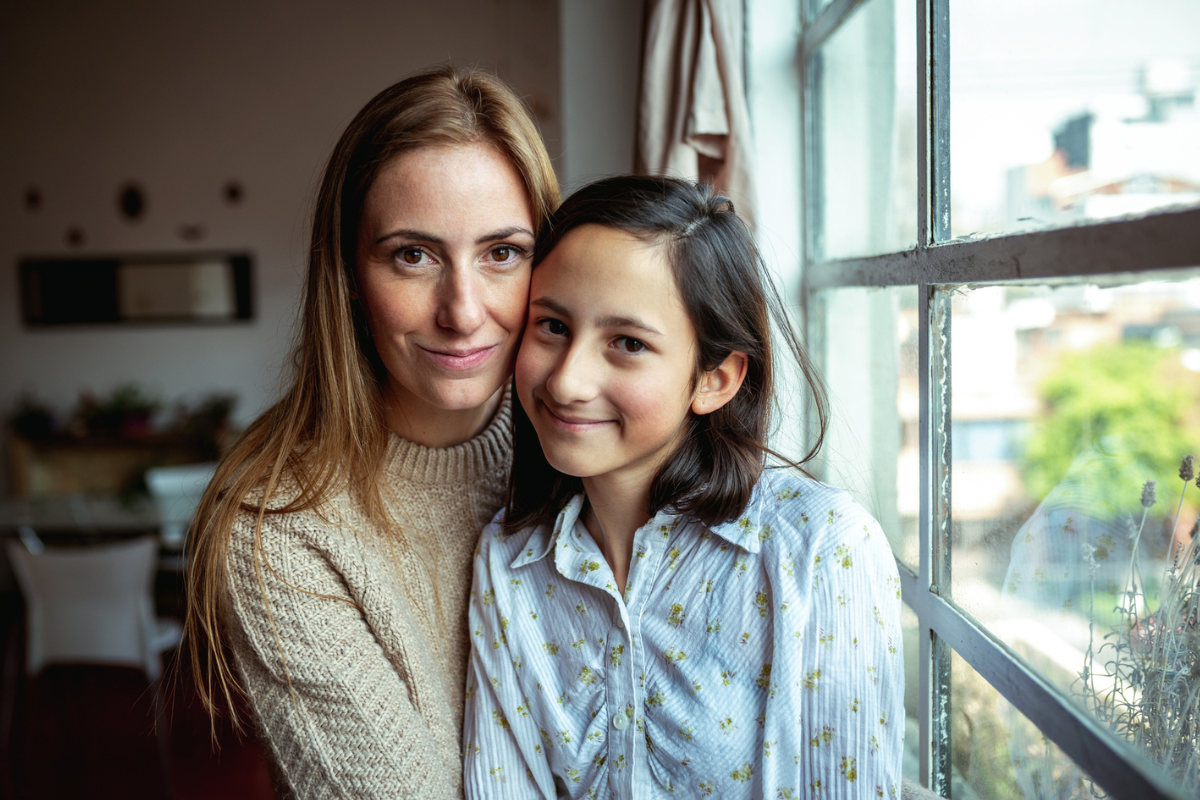
*Names and images have been changed.

You can learn more about the Parenting After Separation group workshop or contact us on 1300 364 277 to understand how we could help you.

Connect With Us

Join Our Newsletter

Receive the latest news and content.

Supporting Your Relationship Wellbeing

Discover the latest from our Knowledge Hub.

Why Weren’t We Taught How to Have Tough Conversations?

Article.Individuals.Conflict

Why Weren’t We Taught How to Have Tough Conversations?

Only one in three Australians say they were taught how to handle difficult conversations in relationships while growing up. So where do we learn the skills to navigate conflict, listen when we disagree and repair after things go wrong? We explore the relationship lessons we pick up along the way – and why it’s never too late to learn new ones.

Why We Wait Until Our Relationships Are in Trouble

Article.Individuals.Mental Health

Why We Wait Until Our Relationships Are in Trouble

Only 9% of people seek help when their relationship first starts to feel strained. So why do we tend to wait? We explore when a rough patch might need more attention, the barriers to seeking support, and why you don’t need to wait for a relationship crisis to get help.

How Your Relationships Affect Your Health

Article.Individuals.Mental Health

How Your Relationships Affect Your Health

Our relationships can affect more than how we feel – they’re closely connected to our physical health, too. We look at what decades of research tell us about social connection, loneliness and relationship stress, and why looking after our relationships can be another way of looking after our health.

Skip to content
Join Our Newsletter